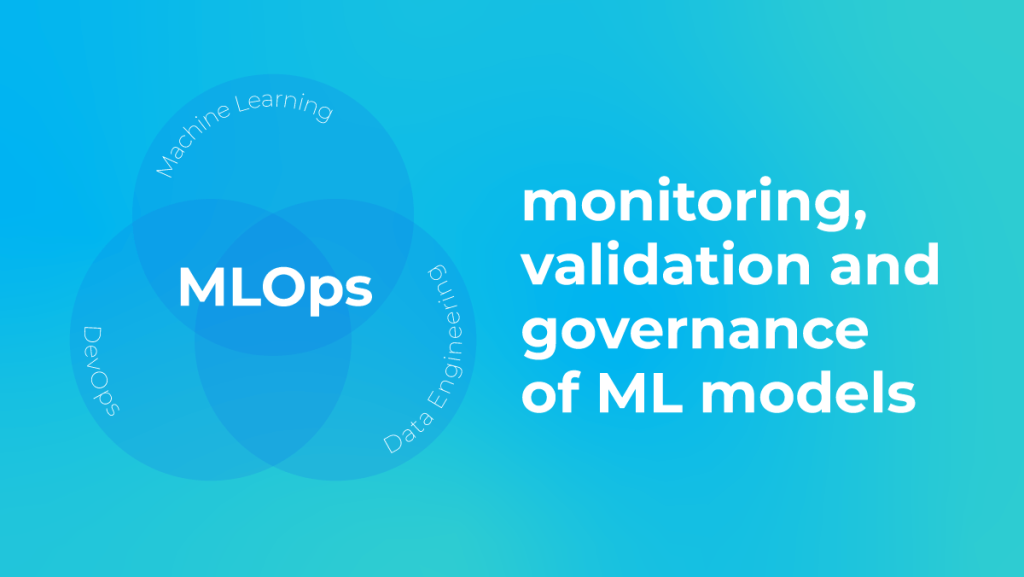
Are you looking to implement MLOps? Well, you’ve come to the right place! In this article, we’ll cover everything you need to know about MLOps, from the basics to the advanced techniques.
What is MLOps?
MLOps, or Machine Learning Operations, is the practice of applying DevOps principles to the machine learning workflow. It involves automating the process of building, testing, and deploying machine learning models in a production environment.
Why is MLOps important?
MLOps is important because it enables organizations to deploy machine learning models at scale, with speed and reliability. It allows for the seamless integration of machine learning into existing workflows, reducing the time and effort required to deploy models.
How to implement MLOps?
Implementing MLOps can seem daunting, but it doesn’t have to be. Here are some steps to get you started:
Step 1: Define your goals
Before you start implementing MLOps, it’s important to define your goals. What are you trying to achieve with machine learning? What metrics will you use to measure success? Answering these questions will help you determine the scope of your MLOps implementation.
Step 2: Build your team
Implementing MLOps requires a specialized team with expertise in machine learning, software engineering, and DevOps. Build a team that can work together to design and implement your MLOps strategy.
Step 3: Choose your tools
There are many tools available for implementing MLOps, including MLflow, Kubeflow, and TensorFlow Extended. Choose the tools that best fit your needs and integrate them into your workflow.
Step 4: Design your pipeline
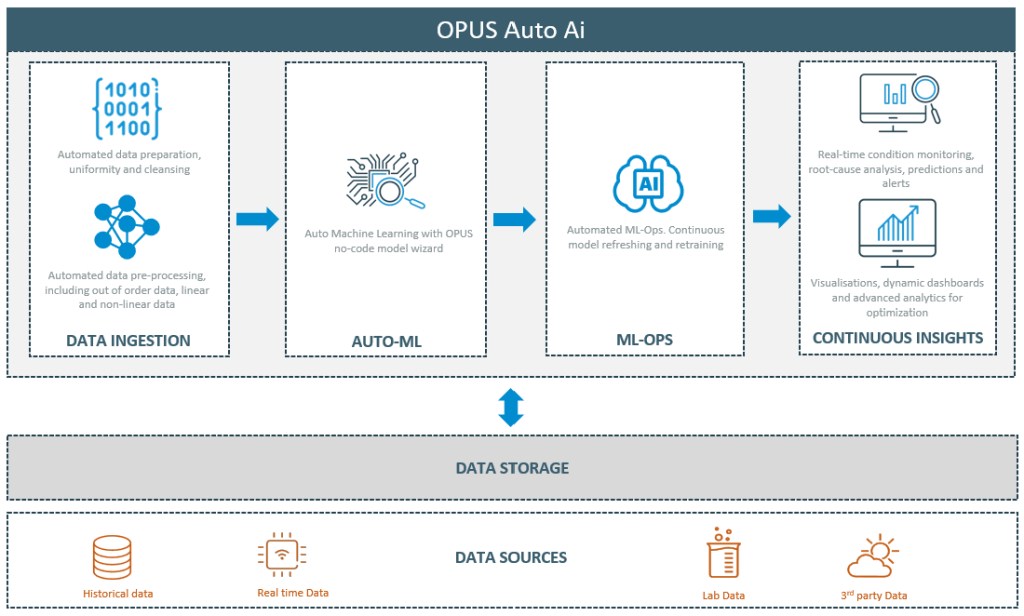
Design a pipeline that automates the process of building, testing, and deploying your machine learning models. This will ensure that your models are deployed quickly and reliably.
Step 5: Monitor and maintain your pipeline
Once you have implemented your MLOps pipeline, it’s important to monitor and maintain it. Regularly monitor your pipeline to ensure that it is working as intended. Make adjustments as needed to improve performance and reliability.
Conclusion
Implementing MLOps can be a complex process, but it is essential for organizations that want to deploy machine learning models at scale. With the right team, tools, and strategy, you can build a pipeline that automates the process of building, testing, and deploying machine learning models. So, go ahead and implement MLOps and take your machine learning workflow to the next level!
