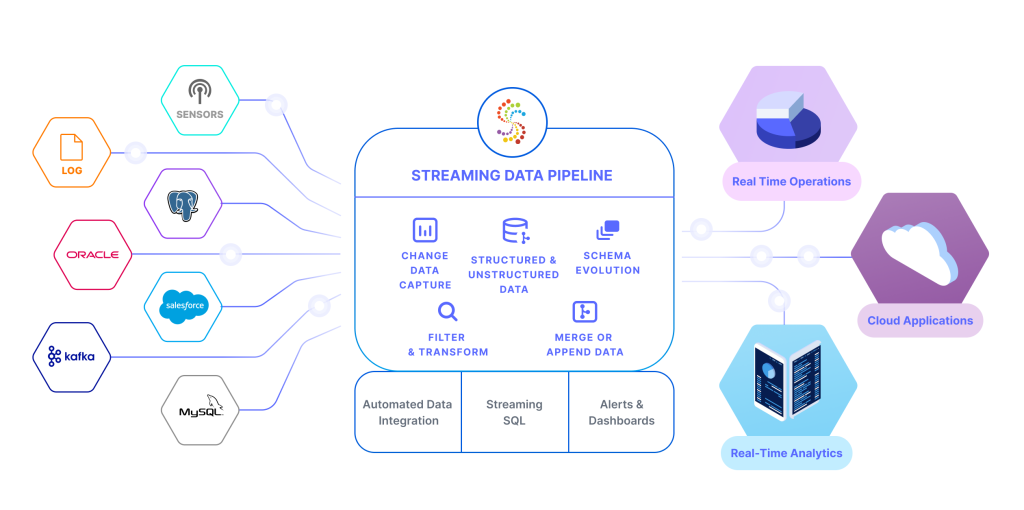
Are you curious about how DataOps is being implemented in various industries and sectors? Look no further! In this article, we’ll explore ten exciting examples of DataOps in action.
1. Healthcare
The healthcare industry has been utilizing DataOps to improve patient outcomes by analyzing and leveraging data from electronic health records (EHRs). By implementing automated data pipelines, healthcare providers can now quickly access and analyze EHRs to identify patterns and improve patient care.
2. Finance
DataOps has been implemented in the finance industry to improve risk management and fraud detection. By automating data pipelines and implementing real-time data monitoring, financial institutions can identify and mitigate potential risks quickly.
3. Retail
Retail companies are using DataOps to improve customer experience by analyzing customer data and tailoring their offerings accordingly. By implementing real-time analytics and automated data pipelines, retailers can now provide personalized recommendations and offers to their customers.
4. Manufacturing
Manufacturing companies are implementing DataOps to improve production efficiency and reduce downtime. By utilizing data analysis and automation, manufacturing companies can identify and address bottlenecks in their production processes to improve overall efficiency.
5. Education
DataOps has been implemented in the education sector to improve student outcomes by analyzing and leveraging student data. By utilizing automated data pipelines and real-time analytics, educators can now identify areas where students may need additional support and tailor their teaching approach accordingly.
6. Transportation
The transportation industry is using DataOps to improve safety and efficiency. By analyzing real-time data from sensors and other sources, transportation companies can identify potential safety hazards and optimize their routes for maximum efficiency.
7. Energy
DataOps has been implemented in the energy sector to improve sustainability and reduce environmental impact. By analyzing data from sensors and other sources, energy companies can identify areas where they can reduce energy consumption and waste.
8. Agriculture
Agricultural companies are implementing DataOps to improve crop yields and reduce waste. By analyzing data from sensors and other sources, farmers can identify areas where they can optimize irrigation and fertilizer use to improve crop yields and reduce waste.
9. Media
DataOps has been implemented in the media industry to improve content recommendations and advertising. By analyzing user data, media companies can provide personalized content recommendations and targeted advertising to their audiences.
10. Government
The government is using DataOps to improve public services and decision-making. By analyzing data from various sources, governments can identify areas where they can improve public services and make data-driven decisions.
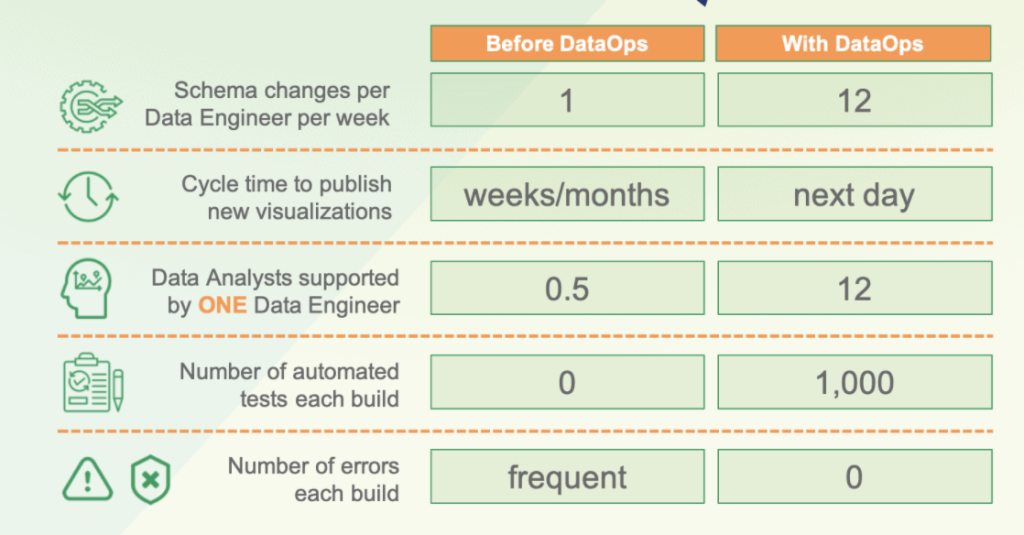
In conclusion, DataOps is being implemented in various industries and sectors to improve efficiency, reduce waste, and provide better services to customers and the public. By utilizing automated data pipelines and real-time analytics, organizations can now analyze and leverage data in ways that were previously impossible.
