Are you tired of manually managing incidents in your organization? Do you want to streamline the process and make it more efficient? Look no further than MLOps.
What is MLOps?
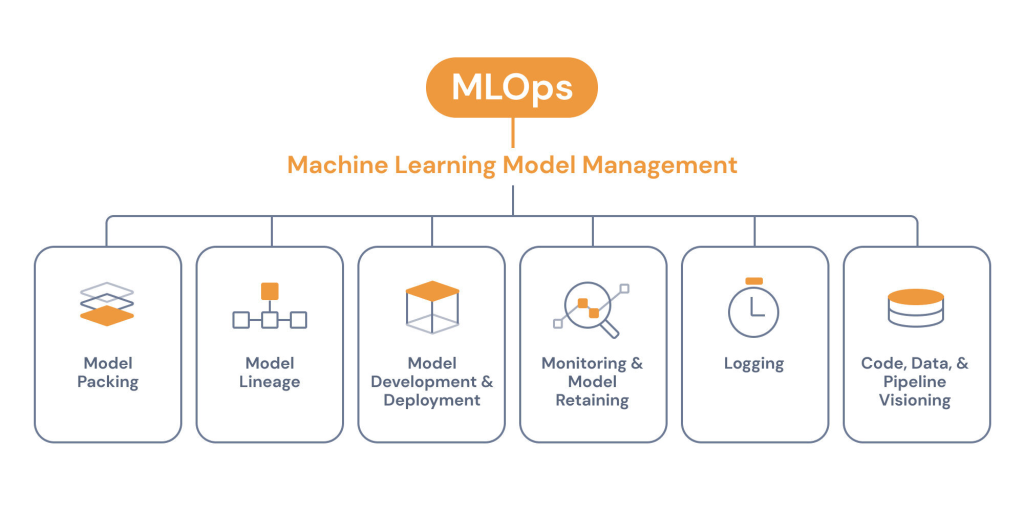
MLOps, or Machine Learning Operations, is the practice of applying DevOps principles to machine learning projects. It involves automating the entire machine learning lifecycle, from data preparation to model deployment and monitoring. MLOps can help organizations improve the accuracy and efficiency of their machine learning models, as well as reduce the time and resources required for development and deployment.
Why Use MLOps for Incident Management?
Incident management is a critical process for any organization. It involves identifying, analyzing, and resolving issues that may impact the business operations. Traditional incident management methods can be time-consuming and error-prone, leading to delays in issue resolution and potential loss of revenue.
By using MLOps for incident management, organizations can automate the entire incident management process, from issue detection to resolution. MLOps can help organizations identify patterns and trends in incident data, allowing them to proactively address issues before they become major problems. It can also help organizations reduce the time and resources required for incident management, enabling them to focus on other business priorities.
How to Implement MLOps for Incident Management
Implementing MLOps for incident management requires a structured approach. Here are the steps to follow:
Step 1: Define the Problem
The first step is to define the problem you want to solve with MLOps. Identify the types of incidents that occur frequently and the impact they have on the organization. This will help you determine the metrics and data you need to track to monitor incidents.
Step 2: Collect Data
The next step is to collect data on incidents. This data should include information such as the type of incident, severity, time to resolution, and any other relevant information. Use this data to train your machine learning models.
Step 3: Develop Machine Learning Models
Once you have collected the data, you can use it to develop machine learning models that can predict incidents and their severity. These models can be trained on historical data to identify patterns and trends that can be used to predict future incidents.
Step 4: Deploy Models
After developing the machine learning models, you need to deploy them to your incident management system. This will enable your system to automatically detect and classify incidents based on the models.
Step 5: Monitor and Improve
Finally, you need to monitor the performance of your machine learning models and continuously improve them. This will involve collecting feedback from your incident management system and using it to refine your models.
Conclusion
MLOps can be a powerful tool for incident management. By automating the entire incident management process, organizations can improve their efficiency, reduce the time and resources required for incident management, and proactively address issues before they become major problems. With MLOps, incident management can become a seamless and integrated part of your organization’s operations.
