In today’s digital era, networking has become an integral part of every organization’s IT infrastructure. Networking operations have become more complex with tons of data generated every second. Managing and maintaining such an extensive network requires a lot of effort and expertise. However, with the advent of MLOps, network operations have become much more manageable, efficient, and cost-effective.
What is MLOps?
MLOps stands for Machine Learning Operations. It involves the implementation of DevOps practices in machine learning projects. It aims to streamline and automate the machine learning development process, from building models to deploying them in production. MLOps mainly focuses on three key areas: Data, Models, and Infrastructure.
Why MLOps is essential for Network Operations?
As mentioned earlier, networking operations generate massive amounts of data. MLOps can help network administrators to process and analyze this data more efficiently. It can also help in predicting network failures and prevent downtime. With the help of MLOps, network administrators can automate network management tasks, such as network configuration and optimization, network traffic management, and security.
How to Use MLOps for Network Operations
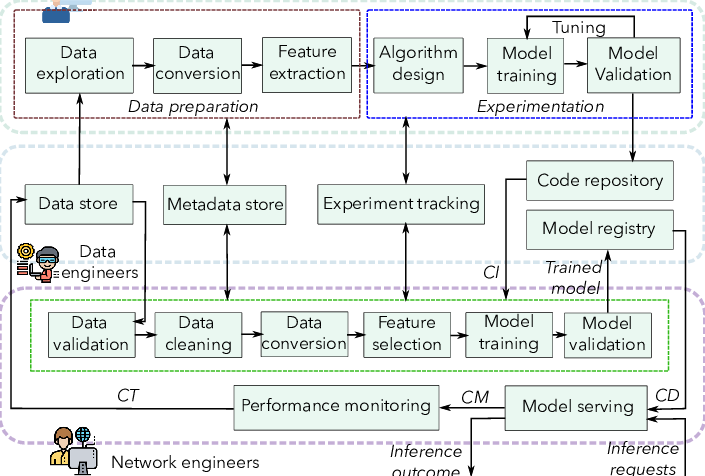
- Collect Data: The first step in using MLOps for network operations is to collect data. This includes network logs, device configurations, and performance metrics. The data should be stored in a centralized location for easy access.
- Data Preprocessing: Once the data is collected, it needs to be preprocessed. This involves cleaning, normalizing, and transforming the data into a format suitable for machine learning models.
- Model Training: After preprocessing, the data is used to train machine learning models. The models are trained to identify patterns, anomalies, and predict network failures.
- Model Deployment: Once the models are trained, they need to be deployed in production environments. This involves integrating the models with network devices and software.
- Model Monitoring: After deployment, the models need to be monitored continuously. This involves collecting performance metrics, identifying model drift, and retraining the models if necessary.
Benefits of Using MLOps for Network Operations
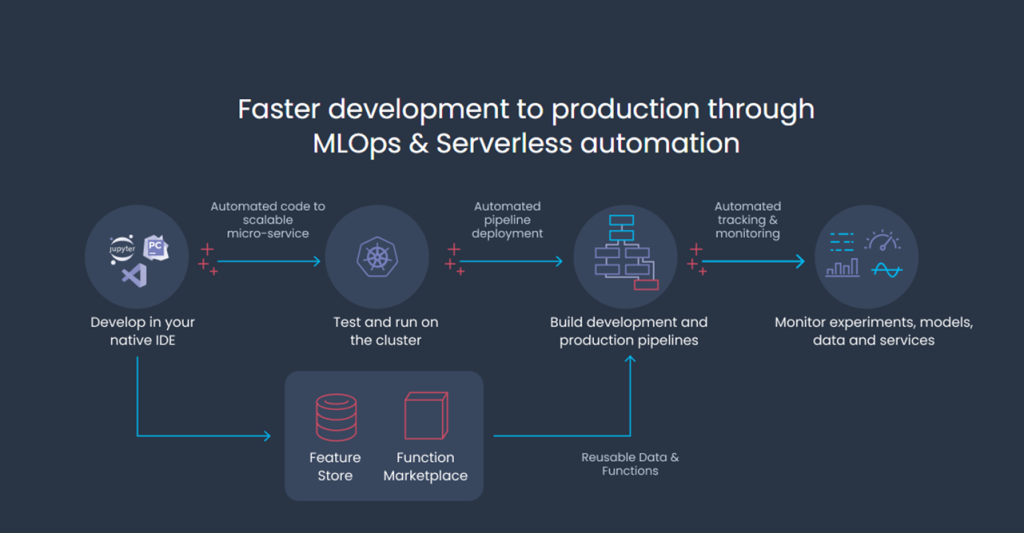
- Improved Efficiency: MLOps can automate many network management tasks, thereby reducing the workload on network administrators.
- Predictive Maintenance: MLOps can help in predicting network failures, which can prevent downtime and improve network availability.
- Cost-Effective: MLOps can reduce the cost of network operations by automating repetitive tasks and optimizing network configurations.
- Better Network Security: MLOps can help in identifying anomalies and detecting potential security threats in the network.
Conclusion
MLOps is revolutionizing the way network operations are managed and maintained. It can help network administrators to process and analyze massive amounts of data more efficiently, predict network failures, and automate network management tasks. By adopting MLOps practices, organizations can improve network efficiency, reduce downtime, and save costs.
